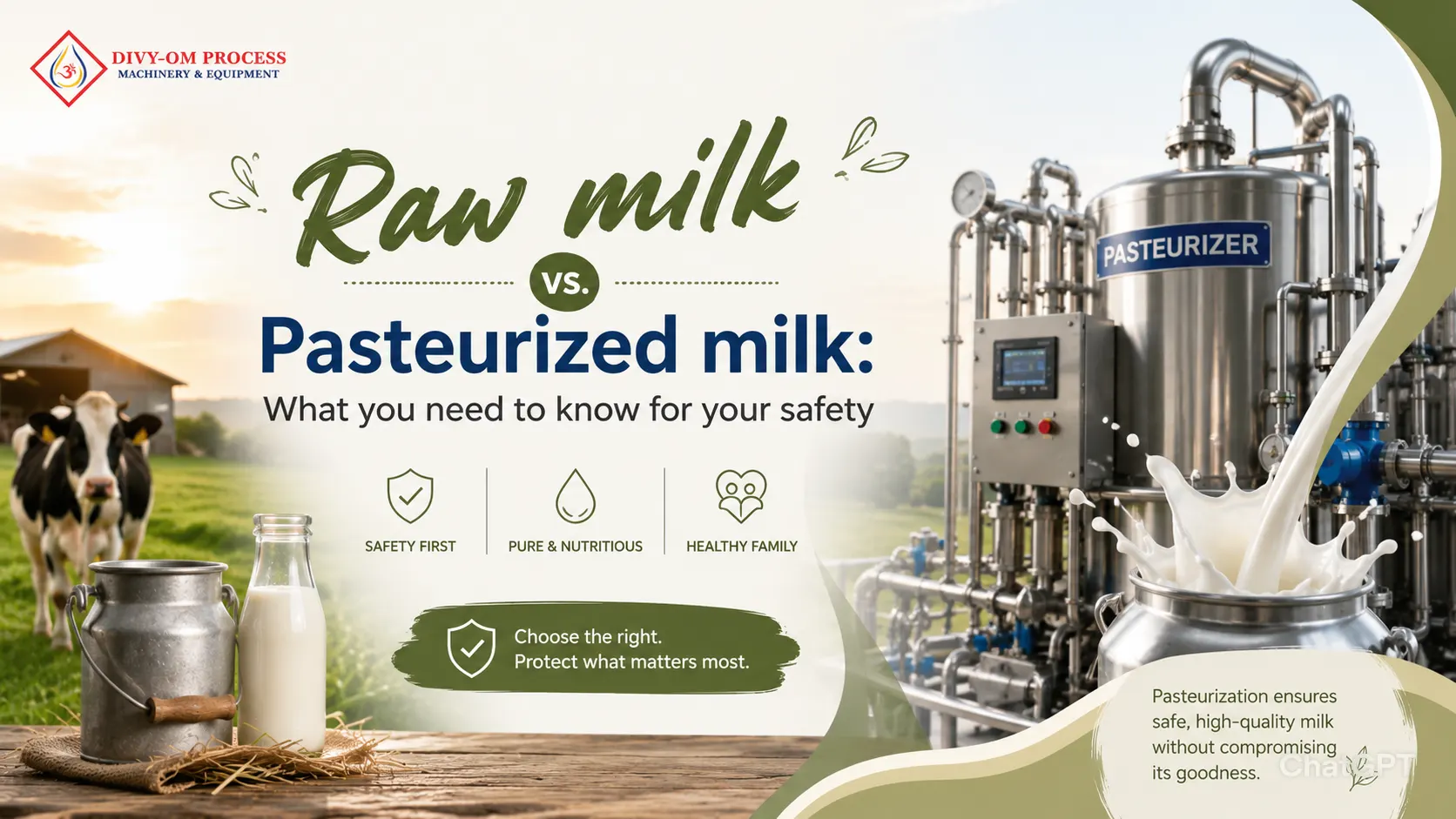
Milk is one of the most widely consumed beverages around the world, valued for its rich nutritional content and versatility. However, when it comes to choosing between raw milk and pasteurized milk, many consumers have questions about safety, nutrition, and health benefits. Discussions around unpasteurized milk, whether is raw milk good for you, whether is raw milk safe, and concerns such as is pasteurized milk bad continue to generate interest among health-conscious individuals.
What is Raw Milk?
Raw milk is milk that comes directly from cows, buffaloes, goats, or other dairy animals and has not undergone any heat treatment. Since it is not processed through pasteurization, it retains its natural enzymes, bacteria, and nutrients in their original state.
Raw milk enthusiasts often claim that it offers a more natural product and contains beneficial bacteria.
What is Pasteurized Milk?
Pasteurized milk is milk that has been heated to a specific temperature for a set period to destroy harmful bacteria and pathogens. This process significantly improves milk safety while maintaining most of its nutritional value. Pasteurization was developed to reduce the risk of foodborne illnesses and has become a standard practice in the dairy industry worldwide.
Is Raw Milk Good for You?
Raw milk contains naturally occurring nutrients such as protein, calcium, vitamins, and minerals. Some supporters believe that raw milk also contains beneficial enzymes and probiotics that contribute to digestive health.
However, while raw milk does provide essential nutrients, scientific evidence suggests that these nutritional benefits are generally similar to those found in pasteurized milk. Most of the nutrients remain intact during the pasteurization process.
Is Raw Milk Safe?
Raw milk can contain harmful bacteria such as:
- Salmonella
- E. coli
- Listeria
- Campylobacter
These microorganisms can enter milk through contamination during milking, handling, storage, or transportation. Consuming contaminated raw milk may result in serious foodborne illnesses, especially among:
- Children
- Elderly individuals
- Pregnant women
- People with weakened immune systems
Because of these risks, many health organizations recommend consuming pasteurized milk instead of raw milk. When evaluating whether is raw milk safe, it is important to recognize that even milk from healthy animals can become contaminated during production and handling.
Is Pasteurized Milk Bad?
Pasteurized milk remains one of the safest and most nutritious dairy products available. The purpose of pasteurization is to eliminate harmful bacteria without significantly affecting the nutritional quality of milk.
Pasteurization helps:
- Improve food safety
- Extend shelf life
- Reduce spoilage
- Prevent foodborne illnesses
- Ensure consistent milk quality
The process has been widely adopted by the dairy industry because it effectively protects public health.
Raw Milk vs. Pasteurized Milk
| Feature | Raw Milk | Pasteurized Milk |
|---|---|---|
| Processing | Not heat-treated; consumed in its natural state. | Heated to destroy harmful bacteria and pathogens. |
| Safety | Higher risk of bacterial contamination and foodborne illnesses. | Safer for consumption due to elimination of harmful microorganisms. |
| Shelf Life | Shorter shelf life and spoils quickly. | Longer shelf life when stored properly. |
| Nutritional Value | Contains natural enzymes and nutrients. | Retains most nutrients with only minor changes during processing. |
| Recommended For | Generally not recommended for children, elderly, pregnant women, and people with weak immunity. | Suitable and recommended for most consumers due to improved safety. |
Benefits of Pasteurized Milk
- Enhanced Safety: The most significant advantage of pasteurized milk is safety. By eliminating dangerous pathogens, pasteurization dramatically reduces the risk of disease transmission.
- Longer Shelf Life: Pasteurized milk typically remains fresh for longer periods when stored properly, reducing waste and improving convenience for consumers.
- Consistent Quality: The pasteurization process ensures uniform quality standards across dairy products.
- Consumer Confidence: Consumers can enjoy milk without worrying about harmful bacteria that may be present in untreated products.
Importance of Modern Dairy Processing
Modern dairy processing technologies have significantly improved milk safety and quality. Equipment used in pasteurization systems is designed to maintain product integrity while ensuring compliance with food safety standards.
Advanced dairy processing solutions help producers maintain high levels of hygiene, efficiency, and consistency throughout milk production and packaging operations.
Divyom Process Machinery & Equipment – Supporting the Dairy Industry
Divyom Process Machinery & Equipment is a trusted name in dairy processing solutions. Our company continues to offer advanced machinery and equipment that support safe, efficient, and high-quality dairy production.
From milk processing systems to pasteurization equipment and dairy plant solutions, Divyom Process Machinery & Equipment helps dairy businesses improve operational efficiency while maintaining the highest standards of product safety and quality.
Pasteurized milk remains the safer choice for most consumers because it retains essential nutrients while significantly reducing the risk of foodborne illness. By understanding the differences between raw and pasteurized milk, consumers can make informed decisions that prioritize both nutrition and safety. Divyom Process Machinery & Equipment, the dairy industry continues to offer high-quality milk products that meet modern food safety standards.